
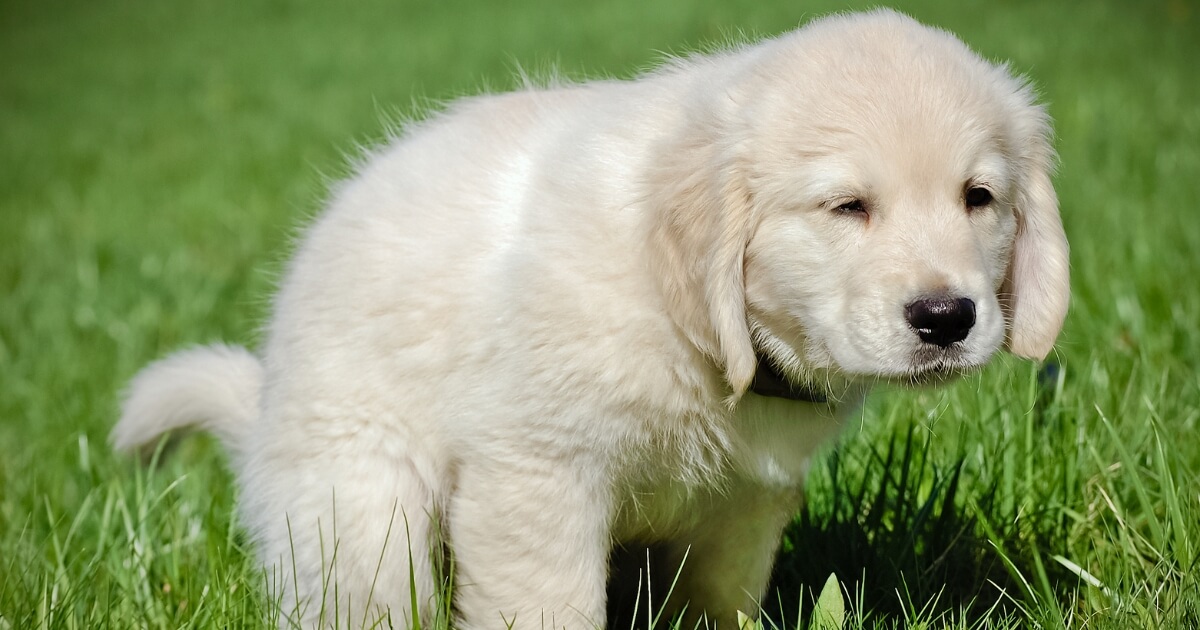
Why most potty training stalls
If you brought a puppy home recently, you already know the routine: you take them out, they sniff around, nothing happens, and five minutes after you come back inside there is a puddle on the rug. It is frustrating, and it is also completely normal. Your puppy is not being stubborn. They simply do not know yet where the bathroom is, and their body gives them very little warning.
Potty training stalls for the same few reasons in almost every home we work with around Charlottesville. The puppy has too much freedom too soon. The trips outside happen when it suits the people, not when the puppy actually needs to go. And accidents get a reaction, while success outside gets a quiet walk back to the door. Fix those three things and most puppies make steady progress.
The routine below is laid out week by week for roughly the first month. Every puppy moves at their own pace, so treat the weeks as stages, not deadlines. If your pup is a little ahead or a little behind, that is fine. What matters is that you stay consistent.
Week one: build the schedule and the spot
The first week is about taking the guesswork out. Your puppy should go outside at the moments they are most likely to need to go:
- Right after waking up, including after naps
- Within a few minutes of eating or drinking
- After a play session or any burst of excitement
- Last thing before bed, and first thing in the morning
Pick one spot in the yard and carry or leash your puppy straight to it every time. Stand still, stay boring, and let them sniff. The smell of that spot will start to tell them what it is for. When they begin to go, say a short cue word in a calm voice, like “go potty” or “hurry up.” Use the same word every time, and have everyone in the house use it too.
The moment they finish, praise them and give a small treat right there, outside, not after you walk back in. Timing is the whole lesson. If the reward comes thirty seconds later at the back door, your puppy thinks they are being rewarded for coming inside.
A common rough guide is that a young puppy can hold it for about as many hours as they are months old, plus one. Treat that as a starting point, not a promise. Many puppies need to go far more often, especially when they are active.
Week two: manage the house so accidents stop happening
The biggest mistake we see is giving a puppy the run of the house before they have earned it. Every accident in a back bedroom teaches your puppy that indoors is an option. So in week two, you make accidents hard to have.
When you can watch your puppy, keep them in the same room as you. A leash clipped to your belt, called tethering, works well because you will notice the moment they start to wander and sniff. When you cannot watch them, use a crate or a small gated area. Most puppies will not soil the space where they sleep, so a crate that is just big enough to stand up, turn around, and lie down in helps them learn to hold it for short stretches.
A crate is a bed, not a punishment. Feed a meal in it, give a chew in it, and let your puppy go in and out calmly so it stays a good place. Take them straight outside to their spot the moment you open the crate door.
Keep a simple log this week: when your puppy ate, when they went, and when accidents happened. After a few days a pattern shows up, and you can get ahead of it instead of reacting to it.
Week three: read the signals and teach them to tell you
By now you have probably noticed the warning signs your puppy gives right before they go. Common ones include sudden sniffing along the floor, circling, walking away from you with purpose, whining, or heading toward the spot where they had an accident before. When you see any of these, calmly scoop them up or lead them outside to their spot and use your cue word.
This is also the week to start teaching your puppy to let you know when they need out. Some families hang a bell on the door and ring it with the puppy on the way out every time. Others simply reward the puppy for going to the door. Pick one signal and stick with it. The goal is a puppy who asks, rather than one who waits for you to guess.
Potty training is part of what our puppy training covers, alongside crate training and early socialization. If you want a trainer to walk you through it, our puppy training page explains how we start young dogs.
Week four: stretch the freedom slowly
If you have had several days in a row with no accidents, you can start giving your puppy a little more room. Add one room at a time, and only while you are watching. Keep the crate or gated area for times you are away or busy, and keep the trips outside frequent.
If an accident happens after you expand the space, do not treat it as failure. It just means you moved a step too fast. Shrink the space back for a few days, then try again. Progress in house training is rarely a straight line.
You can also start stretching the time between trips, a little at a time. Watch how your puppy responds. A puppy who is going longer between breaks with no accidents is ready for a bit more. A puppy who starts having accidents again needs the schedule tightened.
Accidents, nights, and setbacks
When an accident happens: if you catch your puppy mid-accident, calmly interrupt, pick them up, and take them to their spot to finish. Then reward them for finishing outside. If you find the mess later, just clean it up. Scolding a puppy for an accident they had ten minutes ago teaches them to hide from you when they need to go, which makes the whole process harder. Clean the spot with an enzyme cleaner made for pet messes. Regular household cleaners can leave behind a scent your puppy’s nose still finds, and that invites a repeat visit.
At night: keep the crate near your bed for the first weeks so you hear your puppy stir. If they wake and whine, take them straight out to their spot, keep it quiet and boring, and put them right back to bed. No play, no big greeting. You want nighttime trips to be all business. As your puppy grows, those night trips will naturally get further apart.
When things slip: many puppies seem nearly trained and then have a run of accidents. A new house, a schedule change, a visit from family, or more freedom than they were ready for can all cause it. Go back to the week-one basics for a few days and the progress usually returns.
When to call your vet: if your puppy suddenly starts going much more often, strains, has accidents after being reliable, or seems uncomfortable, check with your vet. A sudden change can be a medical issue, not a training one.
When to get help from a trainer
Potty training usually improves once the rest of a puppy’s life has more structure. That was true for Kiko, a six-month-old whose owner was working through house-training struggles, jumping on people, and a habit of nervous peeing whenever she met new dogs or new people. She came to our trainer Lauren for the 2-Week Board & Train, and by the end of her training both the jumping and the nervous peeing had stopped. You can read Kiko’s full story here.
Our formal training programs start at five months. For younger puppies, our Basic Marker Mastery program is a reward-based starting point: four one-hour sessions over four weeks, with a 15-foot leash, clicker, and slip lead included, and no e-collar. It builds the foundation that makes everything else, house training included, easier.
Our team is based in Ruckersville, just north of Charlottesville, and we work with families across Central Virginia. Payment plans are available. Call us today to learn more about payment options. If your puppy is still having accidents after a few weeks of steady work, a free consultation is a good next step. We will look at your routine with you and help you find what is getting in the way.
Want help house training your puppy? Book a free consultation with our Charlottesville team. →